With the resurgence of vinyl in recent years, more and more of us seem to be naturally drawn towards buying original vinyl records. Why is this? Here’s some potential ideas:
Owning the original release means you are getting the authentic physical experience the way the artist intended, this applies to not only the cover, any inserts and even the label of the record. But also, arguably, even more important, you are getting the audio the way it was originally recorded and intended to be heard. Many people are realising that the reissue that you might buy new rather than used, in a high street chain for example, is actually just a replica of the original. In some cases it might be an exact replica, but in most cases, the cover, inserts and particularly the music itself will be copied (sometimes compressed digitally) and basically made to sound similar, but not exactly, how it was meant to be. Furthermore, clearly these new reissues are not holding their value in the second hand market. Usually a quick side by side comparison of a used recent reissue vs an original release will prove the value of the OG will be greater. In many cases the value of the original actually appreciates over time.
However, it can be difficult to tell an original pressing from a reissue. In this article, we will give you the keys to help you identify an original pressing.
What is an original pressing ?
An original pressing is the very first release of a vinyl record. It is usually pressed in smaller quantities than reissues, which makes it more valuable to collectors.
Why might I be interested in owning original vinyl pressings ?
First of all, original vinyl represents a certain guarantee of the authenticity of the sound recorded at the time. There is indeed a significant difference in sound and liveliness between an original vinyl and some reissues. This can be explained by the prints themselves, the difference in materials used and the thickness of the vinyl.
Original vinyl also has a certain economic value. This is the main purpose of many original vinyls produced in limited editions in the 60s and 70s. The rarity of a vinyl can greatly increase its price. Some original pressings even have unique flaws that further increase their value.
There are several ways to distinguish an original pressing from a reissue.
- Release Date:
Original pressings are first released at an earlier date than the reissues.
- Matrix number:
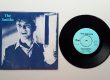
This is a set of letters and numbers that are etched into the dead wax on both sides of a record, i.e. in the empty space between the label and the beginning of the grooves.
- Sleeve:
– Original sleeves usually have a different design than reissues.
– If there is a barcode on the sleeve of a record supposedly released before 1970, it is a reissue.
- Label :
The label usually shows the pressing number, music label, release date, and other elements that identify the pressing of a disc.
- Condition:
Original vinyl may sometimes have a little have normal wear and tear from use over time, while reissues may be new.
- Sound :
The original pressings have a warmer, richer sound than the reissues. The grain is different, due to different pressing techniques and materials.
- Licenses and logos: There are several. As an example:
The mono or stereo mention was invented in 1958. If it appears on a 1957 record, it is a reissue.
- Country of issue: Normally, the original country of issue, effects the appreciating value of original issue records. Japanese and UK pressings are often soght after for example. With reissues, nobody really cares too much about the country of issue.
So, always be aware of the small details that can totally change the identity of a record. Keep in mind that some criteria vary depending on the country in which a vinyl was pressed, and does not necessarily mean that it is original or reissued.
Finally, it is important to note that even if you use all of these criteria, there can be exceptions and fakes, so it is important to ensure authenticity with reliable sellers.